
How Decorative Vent Covers Can Enhance Your Home’s Interior Design
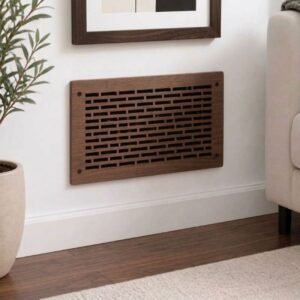
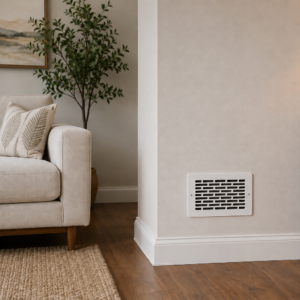
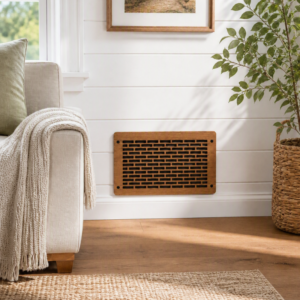
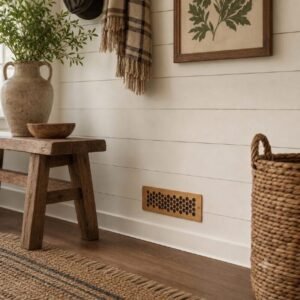
Table of Contents
ToggleWhen planning a home’s interior design, people often focus on flooring, lighting, furniture, wall colors, and cabinetry. However, small architectural details can also make a meaningful difference in the finished appearance of a room. One often-overlooked detail is the air vent cover.
Decorative vent covers combine ventilation with interior design, helping homeowners create a more coordinated appearance without overlooking the functional needs of their heating, ventilation, and air conditioning (HVAC) system.
Whether you are renovating a kitchen, updating a living room, designing custom cabinetry, or finishing a new home, choosing the right decorative air vent cover can help your space feel more thoughtfully designed.
1. Turn an Ordinary Vent Into a Design Feature
Traditional metal ventilation grilles are primarily functional. While they serve an important purpose, their appearance does not always complement the surrounding interior.
Decorative air vent covers offer an alternative. With carefully selected materials, shapes, and patterns, a vent cover can complement the room rather than stand out as an unrelated utility fixture.
For example, a geometric vent cover can complement a contemporary interior, while a natural wood design can add warmth to a room with hardwood floors, wood furniture, or custom cabinetry.
Instead of treating ventilation openings as an afterthought, consider them part of the overall interior design.
2. Choose Materials That Complement Your Home
The material and finish of a vent cover influence how it looks within a room.
Hardwood Vent Covers for Warm, Natural Interiors
Wood vent covers are a natural choice for interiors featuring hardwood floors, wood cabinets, natural textures, or warm neutral colors. Their appearance can help connect different elements of a room and create a more cohesive design.
Decorative laminated hardwood air vent covers, such as those available from Boztay, offer natural wood character combined with distinctive cutout patterns. They can be considered for selected wall openings, cabinet applications, and other suitable ventilation locations.
Paintable Vent Covers for a Coordinated Finish
Paintable vent covers offer flexibility when you want the cover to blend with the surrounding wall, baseboard, or cabinetry.
A cover painted to match its surroundings can create a subtle, understated appearance. Alternatively, a contrasting color can make the vent opening a deliberate design detail.
Before painting, check the product’s material and finishing instructions to ensure that the selected paint is appropriate.
White Vent Covers for a Clean, Simple Appearance
White vent covers work well in many contemporary and traditional interiors, particularly when installed against white walls, light-colored trim, or painted cabinetry.
They are a practical option when you want ventilation openings to remain visually unobtrusive while maintaining a finished appearance.
3. Match Vent Cover Patterns to Your Interior Design Style
The pattern of a decorative vent cover can influence the overall look of your room. Consider the following approaches when selecting a design.
Modern and contemporary interiors: Geometric cutouts, clean lines, and simple repeating patterns can complement minimalist furniture and modern cabinetry.
Farmhouse and transitional interiors: Natural wood finishes and understated patterns can complement rustic textures, neutral colors, and traditional architectural details.
Scandinavian-inspired interiors: Light colors, natural materials, and restrained designs can help maintain a bright, uncluttered appearance.
Custom kitchens and built-ins: Decorative cabinet vent covers can coordinate with the cabinetry, toe kicks, pantry units, and other built-in elements.
These are design guidelines rather than strict rules. The best choice depends on the room’s existing materials, colors, proportions, and overall style.
4. Decorative Vent Covers for Kitchens and Cabinetry
Kitchens are particularly good places to consider decorative ventilation covers because cabinetry and built-in features are often central to the room’s appearance.
A cabinet toe kick vent cover can provide ventilation while creating a more finished look along the bottom of kitchen cabinets. Similar covers may be suitable for pantry cabinetry, custom furniture, media cabinets, and other built-in structures when the application requires ventilation.
For example, a narrow rectangular cabinet vent with a honeycomb pattern can introduce a contemporary detail into a modern kitchen. A wood vent cover with a brick-style pattern can complement other wood elements in a room.
Boztay offers a decorative 10 × 3-inch laminated hardwood cabinet vent cover with a honeycomb pattern, designed for applications such as cabinet toe kicks and suitable furniture ventilation openings.
When selecting a cabinet vent, confirm that its overall dimensions, ventilation opening, mounting method, and airflow capacity are appropriate for your project.
5. Consider Both Appearance and Airflow
A decorative vent cover should look good, but its functional requirements are equally important.
Before choosing a cover, consider these factors:
Measure the opening carefully. Check the required overall dimensions and the size of the actual ventilation opening. A cover’s outside dimensions are not necessarily the same as the opening it accommodates.
Check the intended application. A cabinet toe kick vent, a wall air return, and a floor register may have different requirements. Make sure the product is suitable for the location and purpose.
Maintain adequate airflow. The open area of a decorative pattern can affect how much air passes through the cover. For HVAC supply or return applications, verify that the cover provides sufficient airflow for the system. A decorative cover should not obstruct required ventilation.
Review mounting requirements. Check the number and location of mounting holes, the available mounting surface, and the included hardware.
Consider durability and maintenance. Choose a material and finish appropriate for the location, expected use, and cleaning requirements.
Taking these steps helps you select a vent cover that complements the design while serving its intended purpose.
6. How to Choose the Right Decorative Vent Cover
If you are comparing decorative vent covers for a home improvement project, use this simple checklist:
Identify where the cover will be installed, such as a cabinet toe kick, wall opening, or another suitable ventilation location.
Measure the existing opening and the available mounting area.
Choose a material and finish that complement the surrounding interior.
Select a pattern that fits the room’s design style.
Verify airflow requirements and application compatibility.
Confirm the mounting method and product dimensions before ordering.
For interior designers, cabinetmakers, contractors, and homeowners, considering these details early can make it easier to incorporate ventilation into the overall design plan.
7. Explore Decorative Vent Covers from Boztay
At Boztay, we offer decorative vent covers designed to bring a more considered appearance to selected ventilation openings and cabinetry projects.
Our selection includes laminated hardwood air vent covers with decorative brick patterns, a modern honeycomb-pattern cabinet vent cover, and paintable return-air grille options. These designs serve different applications, so reviewing the individual product specifications is important before making a selection.
Whether you are updating a kitchen, finishing custom cabinetry, or coordinating the details of an interior renovation, explore our collection to find an option that suits your project.
Browse the Boztay Decorative Vent Covers Collection to compare available designs, materials, and dimensions.
Frequently Asked Questions About Decorative Vent Covers
What are decorative vent covers?
Decorative vent covers are covers or grilles designed to finish ventilation openings while contributing to a room’s appearance. Depending on the product, they may be used for suitable wall openings, cabinet toe kicks, furniture ventilation, or HVAC applications.
Do decorative air vent covers improve interior design?
They can. A well-chosen vent cover can complement flooring, cabinetry, wall colors, furniture, and other architectural details. Materials such as wood and patterns such as geometric cutouts can help ventilation openings feel more integrated into the room’s design.
Are wood vent covers suitable for kitchens?
Wood vent covers may be suitable for certain kitchen applications, including cabinet toe kicks and other appropriate ventilation openings. Confirm the product’s intended use, material specifications, mounting requirements, and ventilation capacity before installation.
Can I use a decorative vent cover for an HVAC return?
Only if the particular product is suitable for that application. Verify the required opening size, airflow capacity, and compatibility with your HVAC system. A decorative cabinet vent should not automatically be assumed suitable for every HVAC supply or return opening.
How do I measure for a replacement vent cover?
Measure the existing opening and the space available for the cover. Check the manufacturer’s stated overall dimensions and opening dimensions, since these measurements can differ. Also verify the mounting-hole locations and required airflow.
Are paintable vent covers available?
Yes. Paintable vent covers are available for projects where matching the surrounding wall, trim, or cabinetry is important. Check the product specifications and follow the recommended preparation and painting instructions.
Where can I buy decorative vent covers?
You can explore the Boztay vent covers collection to compare available decorative hardwood designs, cabinet vent covers, and paintable options.