
Combination Wall Plates: The Complete Guide to Multi-Function Electrical Cover Plates
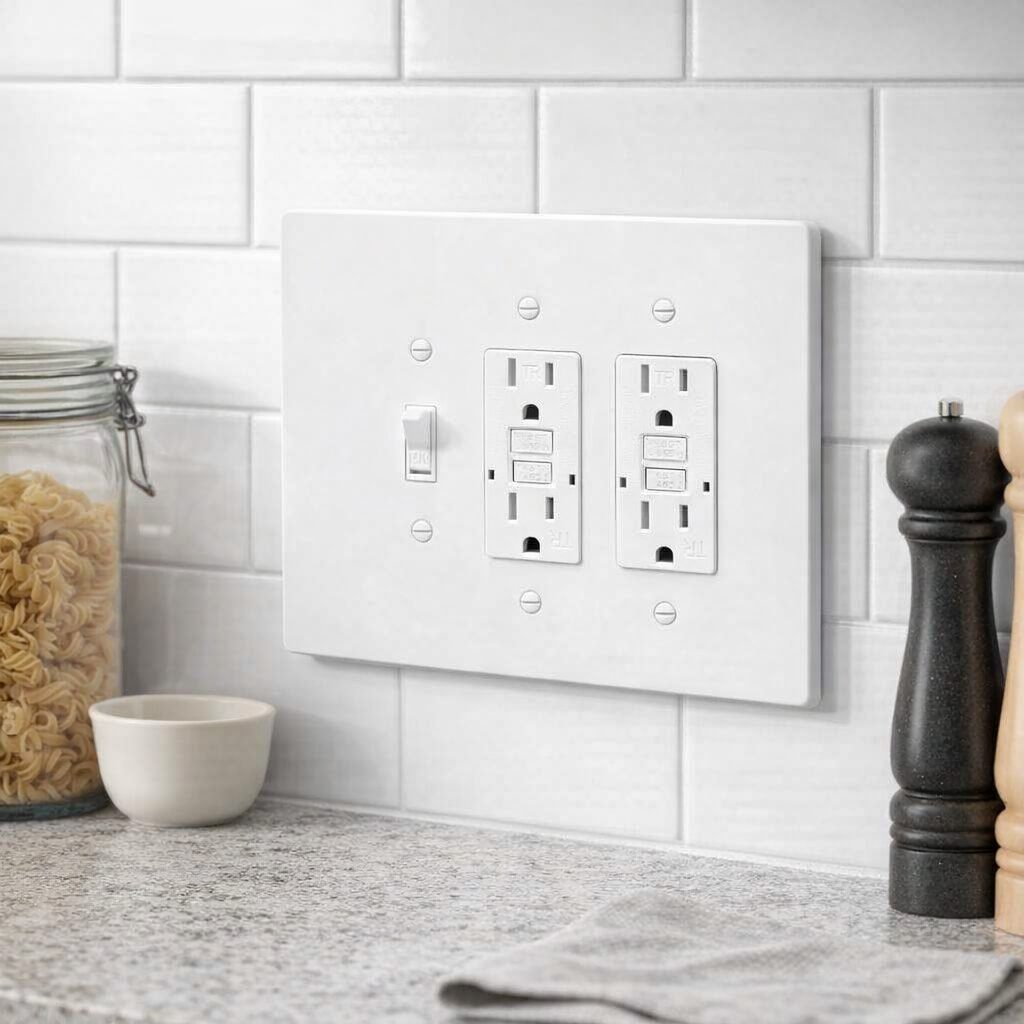
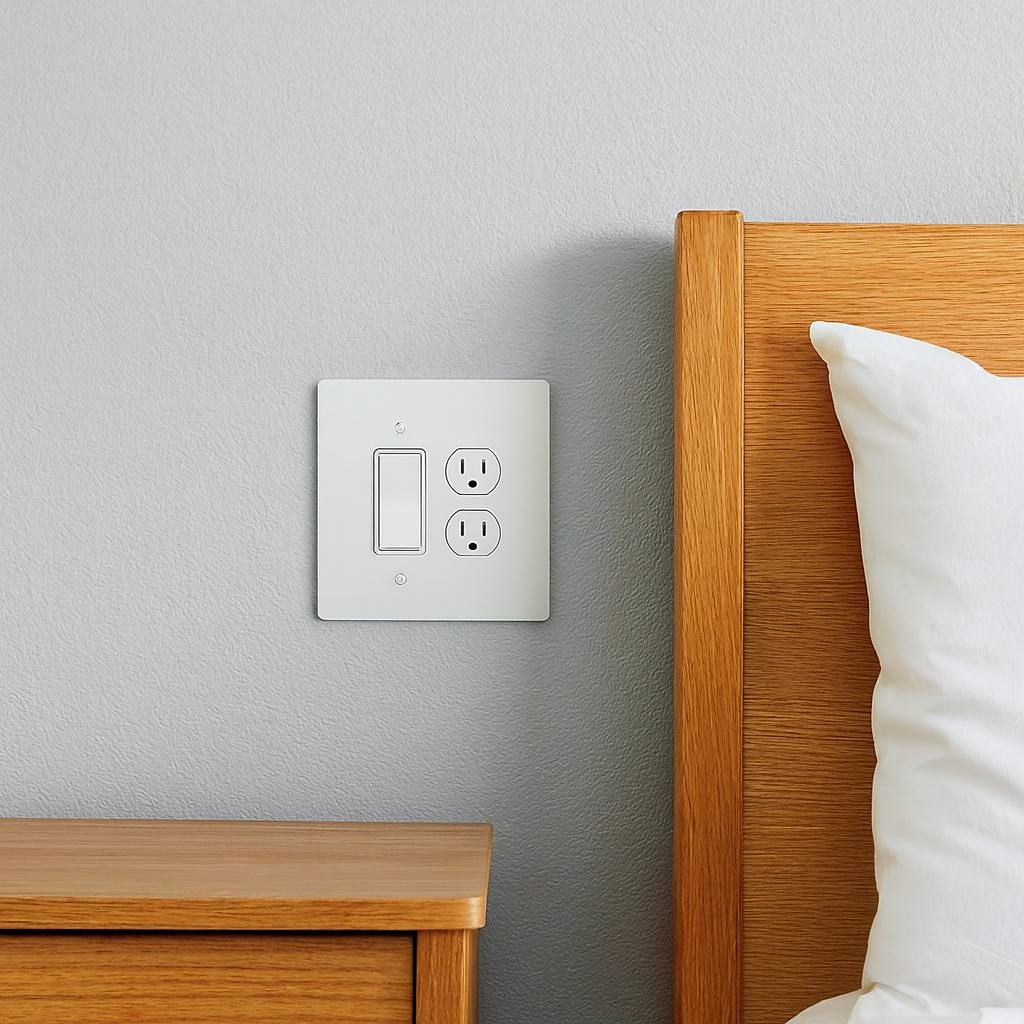
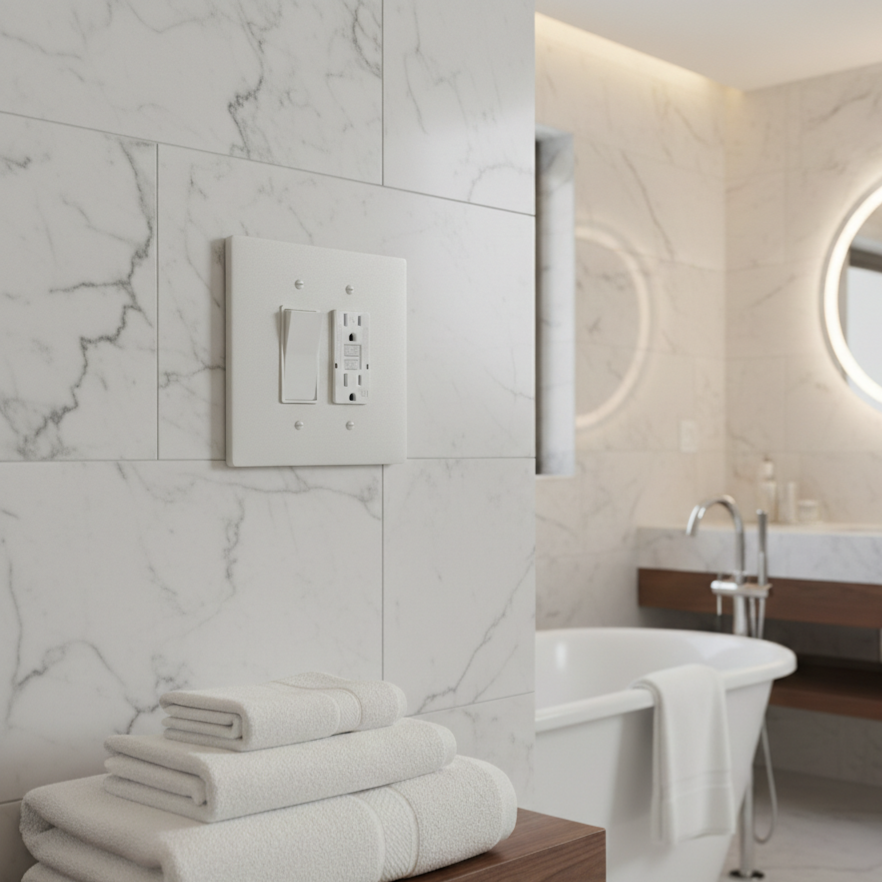
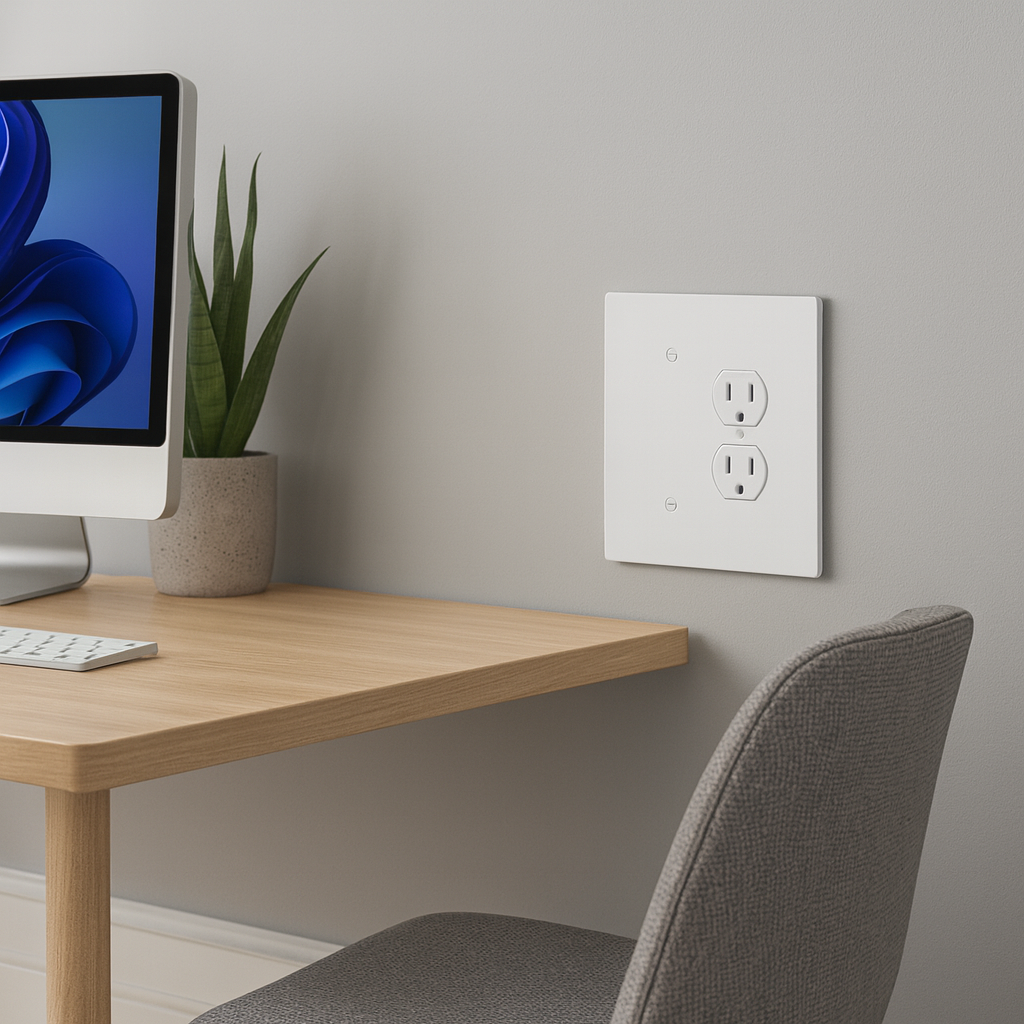
Table of Contents
ToggleWhen a single electrical wall plate needs to cover more than one type of device, a combination wall plate provides a clean, convenient solution. Instead of installing separate cover plates for each electrical device, a combination wall plate brings multiple functions together into one coordinated cover.
Combination wall plates are commonly used for installations that include a mix of electrical outlets, switches, rocker switches, Decora devices, GFCI receptacles, and other wall-mounted electrical devices. They are available in different configurations and sizes, making it easier to create a finished appearance while covering the electrical box and surrounding wall area.
For homeowners, electricians, contractors, remodelers, interior designers, and commercial property managers, choosing the right combination wall plate is about more than appearance. The plate must also match the devices being installed, fit the electrical box correctly, and provide enough coverage for the surrounding wall.
What Is a Combination Wall Plate?
A combination wall plate is an electrical cover plate designed to accommodate two or more different electrical devices or functions in one plate.
For example, a single combination wall plate may be designed to accommodate:
- A standard electrical outlet and a light switch
- Two switches and an electrical outlet
- A GFCI or Decora receptacle and a switch
- Multiple rocker or Decora-style switches
- A combination of different device types in one electrical box
The exact configuration depends on the number and type of devices installed.
Unlike a standard single-function wall plate, a combination wall plate is designed around the specific arrangement of devices in the electrical box. This makes it important to select the correct plate configuration before installation.
Why Use a Combination Wall Plate?
The main advantage of a combination wall plate is simple: multiple electrical functions can be finished with one coordinated cover.
This can provide several benefits.
1. A Cleaner Appearance
When multiple electrical devices are installed next to each other, separate wall plates can sometimes create a visually busy appearance. A properly matched combination wall plate creates a more unified look.
This is especially valuable in kitchens, living rooms, offices, workshops, and other areas where multiple electrical devices are located close together.
2. One Plate Covers Multiple Devices
A combination wall plate can cover multiple electrical devices in a single installation. This reduces the number of individual wall plates needed and creates a more consistent finished surface.
3. Better Coverage Around the Electrical Box
In remodeling and renovation projects, the original electrical opening may not be perfectly clean or uniform. A larger or oversized combination wall plate can provide additional coverage around the electrical box, helping conceal minor gaps, uneven drywall cuts, or imperfections around the installation.
4. Easier Design Coordination
Using one combination wall plate makes it easier to coordinate the appearance of multiple devices. Instead of trying to match several separate plates, homeowners and designers can select one plate that complements the surrounding wall and interior.
5. A Practical Choice for Remodeling
Combination wall plates are particularly useful when upgrading or remodeling existing electrical installations. They can provide a finished appearance without requiring extensive wall repair, provided the electrical box and device arrangement are compatible with the selected plate.
Common Combination Wall Plate Configurations
Combination wall plates are available in many configurations. The right choice depends on the devices installed in the electrical box.
Common configurations may include:
Switch and Outlet Combination Wall Plates
These plates are designed for installations that combine a light switch with an electrical receptacle.
This configuration is useful in areas such as:
- Garages
- Workshops
- Basements
- Utility rooms
- Kitchens
- Home offices
A switch and outlet combination plate allows both functions to be installed in one coordinated wall plate.
Multiple Switch Combination Wall Plates
Multiple-switch configurations are common in rooms where one location controls several lights or electrical functions.
For example, a plate may accommodate two, three, or more switches depending on the electrical box configuration.
Rocker or Decora Combination Wall Plates
Modern rocker-style and Decora-style devices are popular in residential and commercial interiors. Combination plates designed for these devices can provide a cleaner, more contemporary appearance than traditional toggle-style plates.
GFCI and Switch Combination Wall Plates
Some installations combine a GFCI receptacle with a switch or another electrical device. The wall plate must be designed to match the specific device configuration.
Because GFCI receptacles are physically different from standard outlets, it is important to verify that the wall plate is compatible with the device before ordering.
Combination Wall Plates vs. Standard Wall Plates
The main difference between a standard wall plate and a combination wall plate is the number and arrangement of devices the plate is designed to cover.
A standard wall plate may cover one electrical function, while a combination wall plate can accommodate multiple functions in a single plate.
For example, if an electrical box contains both a switch and an outlet, using individual plates may not be appropriate or visually desirable. A combination wall plate designed for that exact arrangement can provide a more integrated solution.
The most important consideration is matching the wall plate opening configuration to the actual electrical devices installed.
Oversized Combination Wall Plates
Not every electrical installation has a perfectly finished wall opening.
During remodeling, drywall installation, painting, or electrical upgrades, you may encounter:
- Oversized drywall openings
- Uneven drywall cuts
- Small gaps around electrical boxes
- Wall damage around an old wall plate
- Misaligned openings
- Previous installations that left visible imperfections
In these situations, an oversized combination wall plate can provide additional coverage around the electrical box.
This can be especially useful when you want to improve the finished appearance without immediately repairing and repainting the surrounding wall.
An oversized wall plate is sometimes referred to as a jumbo wall plate or large wall plate. These terms may describe plates that extend beyond the dimensions of standard electrical cover plates.
When choosing an oversized combination plate, make sure the device openings still align correctly with the electrical devices underneath.
How to Choose the Right Combination Wall Plate
Before purchasing a combination wall plate, consider the following factors.
1. Identify the Electrical Devices
First, identify exactly what is installed in the electrical box. Is it:
- A toggle switch?
- A rocker switch?
- A Decora-style switch?
- A standard electrical receptacle?
- A GFCI receptacle?
- A combination of different devices?
The wall plate must have openings designed for the devices you are using.
2. Count the Devices
Determine how many electrical functions need to be covered.
A plate designed for two devices will not necessarily work for three devices, even if the overall electrical box appears similar.
3. Check the Electrical Box Configuration
The wall plate should match the size and configuration of the electrical box and device arrangement.
For larger installations, verify the number of gangs and the spacing between devices before ordering.
4. Measure the Existing Wall Opening
If your goal is to cover damaged, uneven, or oversized openings, measure the area that needs to be concealed.
This is particularly important when selecting an oversized or jumbo combination wall plate.
5. Consider the Style
Wall plates are available in a variety of materials, finishes, and designs.
Depending on the application, you may want:
- A traditional appearance
- A modern appearance
- A decorative finish
- A natural hardwood look
- A paintable surface
- A neutral color that blends into the wall
The wall plate is a relatively small component, but it can have a noticeable effect on the finished appearance of a room.
Where Are Combination Wall Plates Used?
Combination wall plates are useful in many residential, commercial, and industrial environments.
Residential Applications
Common residential applications include:
- Kitchens
- Living rooms
- Bedrooms
- Home offices
- Garages
- Basements
- Utility rooms
- Workshops
They are especially useful in locations where multiple switches and outlets are installed together.
Commercial Applications
Combination wall plates can also be useful in:
- Offices
- Retail spaces
- Restaurants
- Hotels
- Property management projects
- Commercial renovations
In commercial environments, a consistent wall plate design can help create a more professional and finished appearance throughout a property.
Industrial and Workshop Applications
In workshops, garages, and industrial spaces, it is common to have multiple electrical functions located near each other.
A combination wall plate can help organize the appearance of these installations while providing appropriate coverage around the electrical devices.
For commercial and industrial projects, always verify that the selected electrical devices and wall plates meet the requirements applicable to the installation.
Are Combination Wall Plates Available in Oversized Sizes?
Yes. Combination wall plates can be available in larger dimensions to provide additional coverage around electrical boxes and wall openings.
An oversized combination wall plate can be helpful when a standard-size plate does not adequately cover:
- Drywall gaps
- Wall damage
- Large cutouts
- Uneven openings
- Remodeling imperfections
This is one reason oversized electrical cover plates are popular for renovation and repair projects.
If you are replacing an existing wall plate, compare the dimensions of the old plate with the new plate and make sure the device openings are correctly positioned.
Combination Wall Plates for Remodeling and Renovation
One of the most practical applications for combination wall plates is remodeling.
When an existing wall plate is removed, the surrounding wall may reveal imperfections that were previously hidden. These can include chipped drywall, oversized openings, paint damage, or poorly cut holes.
A larger combination wall plate may be able to cover these imperfections and provide a cleaner finished appearance.
This can be particularly useful when you want to complete a cosmetic upgrade without undertaking a larger drywall repair project.
However, a wall plate should not be used to cover an opening that creates an electrical safety problem. Electrical boxes and devices should be properly installed, secured, and accessible according to applicable electrical requirements.
How to Measure for a Combination Wall Plate
Before ordering, measure both the overall area that needs to be covered and the electrical device configuration.
Check:
- Overall wall plate dimensions
- Number of electrical devices
- Device type
- Device spacing
- Electrical box configuration
- Screw-hole locations
- Amount of wall coverage required
If you are replacing an existing plate, the easiest method is often to remove the old plate and compare its dimensions and openings with the replacement.
When in doubt, verify the dimensions of the electrical box and devices with an electrician or qualified professional.
Frequently Asked Questions About Combination Wall Plates
What is a combination electrical wall plate?
A combination electrical wall plate is a cover designed to accommodate multiple electrical devices or functions in one plate. Examples include combinations of switches, outlets, rocker switches, and other compatible electrical devices.
What is the difference between a combination plate and a standard wall plate?
A standard wall plate is generally designed for one type of electrical device or a simpler configuration. A combination wall plate is designed to cover multiple devices or different device types in one coordinated plate.
Can I use a combination wall plate with a GFCI outlet?
It depends on the specific wall plate configuration and the GFCI device. Always verify that the wall plate opening is designed for the exact GFCI or Decora-style device being installed.
What is an oversized combination wall plate?
An oversized combination wall plate is a larger-than-standard cover designed to accommodate multiple electrical devices while providing additional coverage around the electrical box and surrounding wall.
Can an oversized wall plate cover drywall damage?
An oversized wall plate may cover minor drywall gaps, uneven cuts, or cosmetic damage around an electrical box. The amount of coverage depends on the dimensions of the plate. Significant wall damage or electrical installation problems should be repaired rather than simply covered.
Are combination wall plates available for rocker switches?
Yes. Combination wall plates can be designed for rocker-style and Decora-style switches and receptacles. Always confirm the opening dimensions and device compatibility before purchasing.
How do I know which combination wall plate I need?
Start by identifying the electrical devices installed in the box, counting the number of devices, and measuring the existing plate and wall opening. Then select a wall plate with the correct device openings, gang configuration, and overall dimensions.
Can combination wall plates be used in commercial buildings?
Yes. Combination wall plates can be used in many commercial applications, provided the selected products and electrical installation meet the applicable building, electrical, and safety requirements.
Find the Right Combination Wall Plate for Your Project
Whether you are replacing a damaged wall plate, remodeling a room, covering an oversized electrical opening, or looking for a more distinctive finish, the right combination wall plate can improve both the function and appearance of an electrical installation.
At Boztay, we focus on wall plates designed for applications where standard-size electrical covers may not provide the coverage, style, or design flexibility you need.
Explore our combination wall plate collection to find options for different electrical device configurations and project requirements.
When selecting your wall plate, remember to verify the device type, number of devices, electrical box configuration, opening dimensions, and overall plate size before ordering.
A properly selected combination wall plate can be a small detail that makes a significant difference in the finished appearance of a room.