
Wall Plate Sizes Explained: Standard, Oversized, Jumbo, and Extra-Large Wall Plates
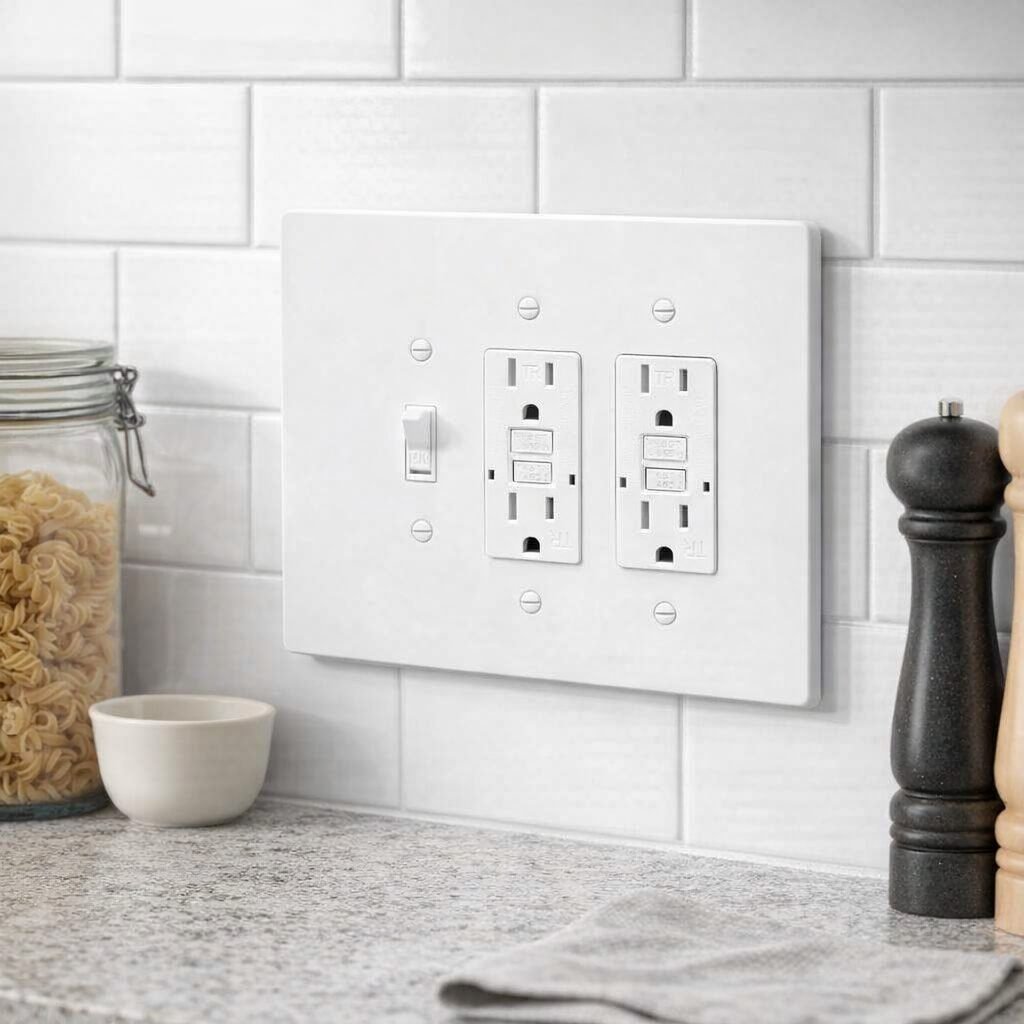
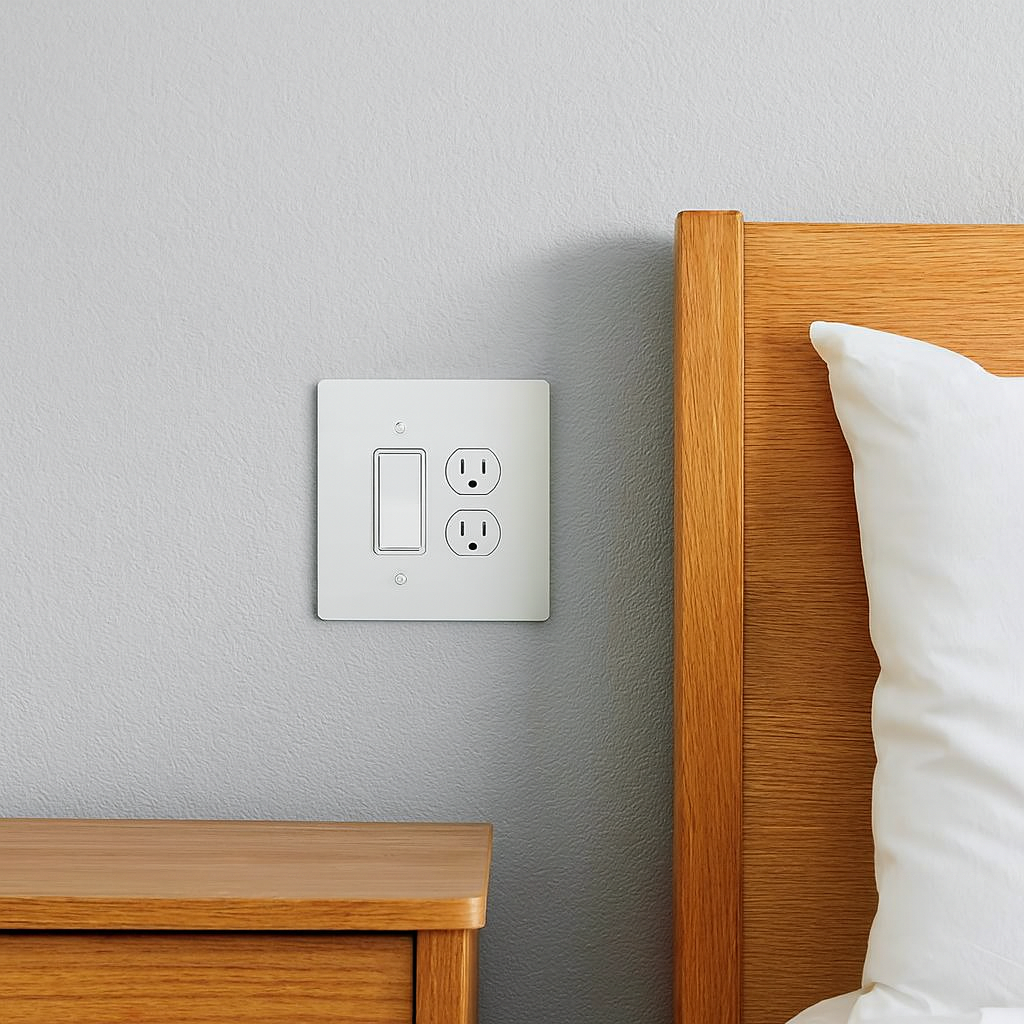
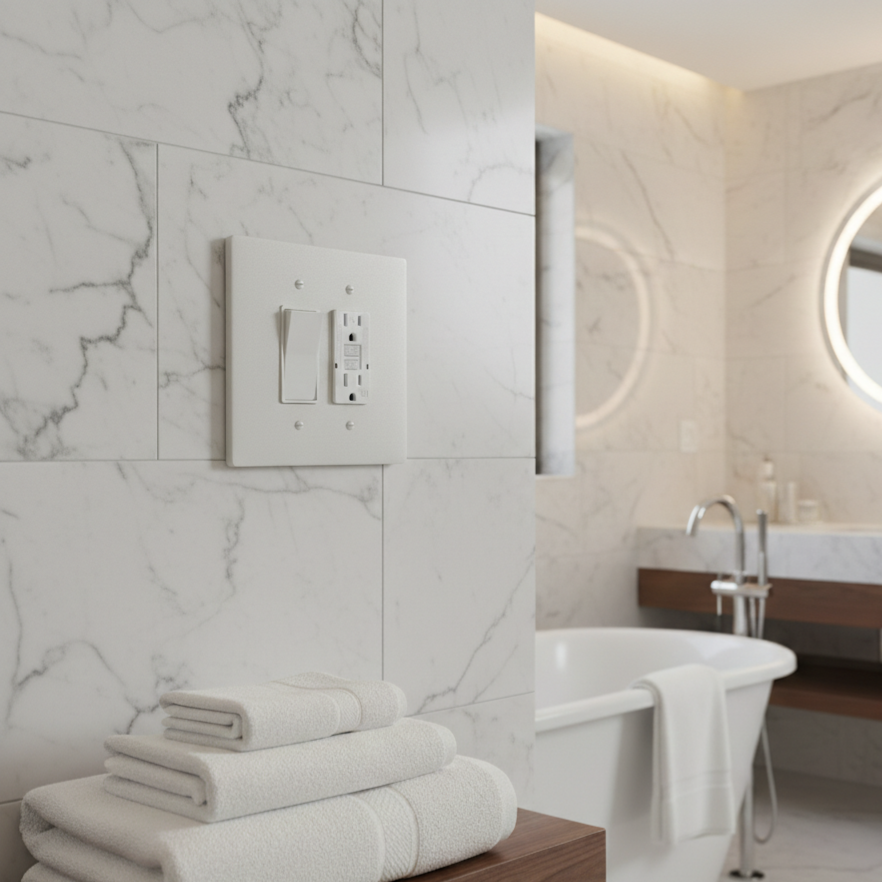
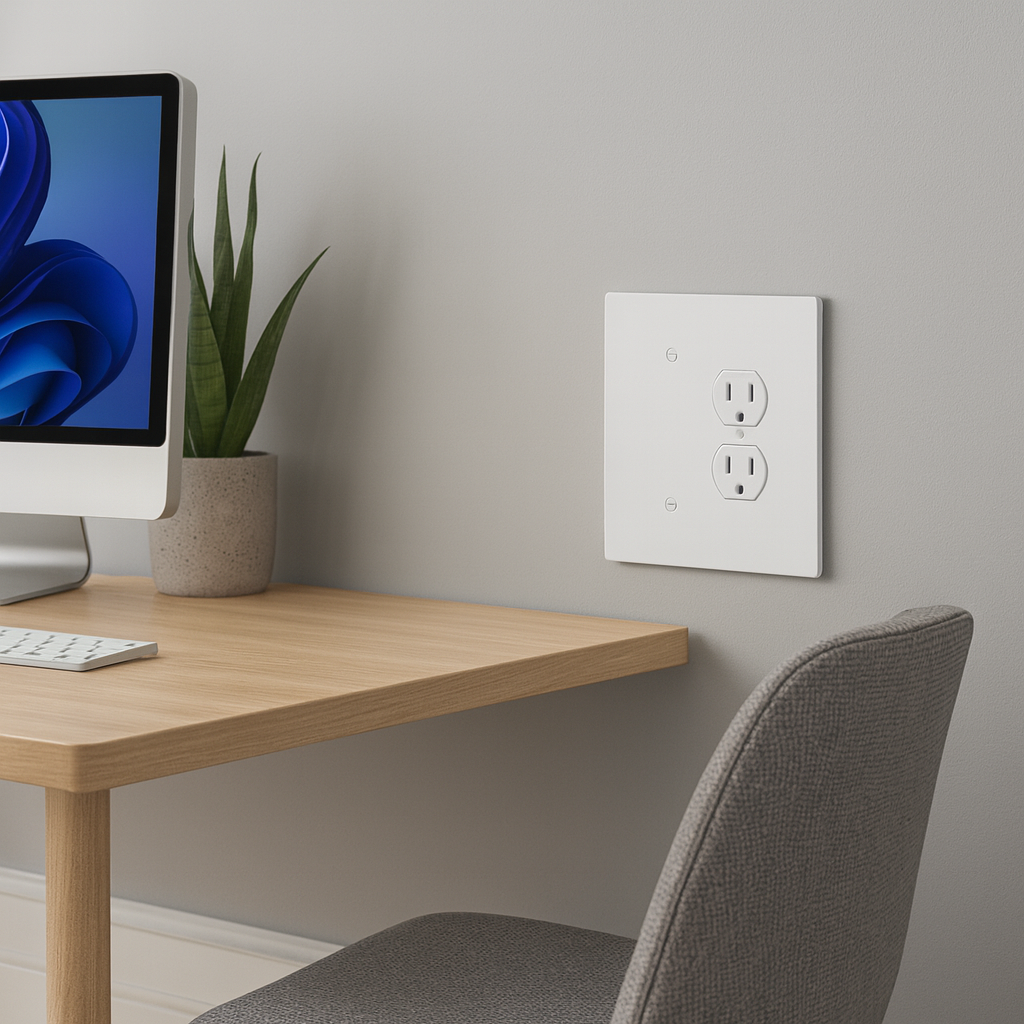
Table of Contents
ToggleChoosing the right wall plate size can make a big difference in the appearance of an electrical installation. While standard wall plates work well for most new construction and properly finished electrical boxes, they may not provide enough coverage when an electrical opening is larger than expected, drywall has been damaged, or a remodel leaves gaps around an outlet or switch.
That is where oversized, jumbo, and extra-large wall plates can help.
At BOZTAY, we specialize in wall plates designed for situations where standard-size electrical covers are not large enough. Our collection includes larger wall plate sizes and unique designs for residential, commercial, industrial, remodeling, and interior design applications.
This guide explains common wall plate sizes, how to choose the right size, and when an oversized or jumbo wall plate may be the better solution.
What Is a Wall Plate?
A wall plate—also called an electrical wall plate, outlet cover, switch plate, receptacle cover, or electrical cover plate—is the finished cover installed over an electrical outlet, light switch, or other electrical device.
In addition to improving the appearance of an electrical installation, a wall plate covers the area around the electrical device and helps create a finished transition between the device and the surrounding wall.
Wall plates are available in many configurations, including:
- Single-gang wall plates
- 2-gang wall plates
- 3-gang wall plates
- Duplex outlet covers
- Decora or rocker switch plates
- Combination wall plates
- Blank electrical wall plates
- Oversized wall plates
- Jumbo wall plates
- Extra-large wall plates
- Specialty and custom-size wall plates
The correct wall plate size depends on both the electrical device configuration and the amount of coverage needed around the opening.
What Are the Standard Wall Plate Dimensions?
There is no single universal wall plate size for every electrical installation. Dimensions vary depending on the type of electrical box, the number of gangs, the device being covered, and the manufacturer.
A typical standard wall plate is designed to provide enough coverage for a properly installed electrical box and a cleanly finished wall.
Standard wall plates are commonly used for:
- New construction
- Standard electrical boxes
- Properly cut drywall openings
- Residential electrical installations
- Typical light switches and electrical outlets
If the wall opening is larger than the wall plate, however, a standard plate may leave visible gaps around the edges.
In that situation, an oversized or jumbo wall plate may provide better coverage.
Standard vs. Oversized vs. Jumbo Wall Plates
The terms standard, oversized, jumbo, and extra-large are sometimes used interchangeably, but they generally describe increasing levels of coverage.
| Wall Plate Type | Best For |
|---|---|
| Standard | Clean, properly sized electrical openings |
| Oversized | Slightly larger gaps or imperfections |
| Jumbo | Larger openings, remodeling, or damaged drywall |
| Extra-Large | Significant coverage requirements or specialty applications |
| Custom/Non-Standard | Unique dimensions or specialized installations |
The exact dimensions associated with each category can vary between manufacturers. Therefore, it is always important to check the actual dimensions of a wall plate before purchasing.
When Should You Use an Oversized Wall Plate?
An oversized wall plate is useful when a standard wall plate does not provide enough coverage around an electrical device.
Common situations include:
1. Drywall Damage
Removing an old outlet or switch can sometimes damage the drywall around the electrical box. Small chips, cracks, or enlarged openings may remain visible after the new device is installed.
An oversized wall plate can extend farther over the damaged area, creating a cleaner finished appearance.
2. Remodeling Projects
During remodeling, walls may be opened, repaired, or modified. The new electrical device may not be perfectly centered in the original opening.
A larger wall plate can help cover minor imperfections without requiring extensive drywall repair.
3. Oversized Electrical Openings
Sometimes an electrical opening is simply larger than a standard wall plate can cover.
Instead of using a standard plate and leaving visible gaps, an oversized or jumbo plate may provide the additional surface area needed.
4. Uneven or Imperfect Wall Surfaces
Older homes can have walls that are not perfectly flat or evenly finished. Larger wall plates can sometimes provide a more forgiving visual transition between the electrical device and the wall.
5. Replacing Older Electrical Devices
When replacing an old switch or outlet, the existing opening may not match the dimensions of a newer device or wall plate.
A larger cover may help provide the coverage needed for a cleaner installation.
What Is a Jumbo Wall Plate?
A jumbo wall plate is a larger-than-standard electrical wall plate designed to provide additional coverage around an electrical device.
Jumbo wall plates can be especially useful for remodeling and repair applications where a standard-size wall plate does not cover the entire opening.
Depending on the design, jumbo plates can be used for:
- Electrical outlets
- Light switches
- Rocker or Decora switches
- Duplex receptacles
- Multi-gang installations
- Blank electrical boxes
- Remodeling projects
- Damaged drywall
- Oversized electrical openings
The main advantage is simple: a larger wall plate covers more of the surrounding wall area.
For homeowners and contractors, this can reduce the need for additional patching and finishing work when the existing wall opening is larger than expected.
What Is an Extra-Large Wall Plate?
An extra-large wall plate is a specialty cover designed for applications where even an oversized or jumbo plate may not provide sufficient coverage.
Extra-large wall plates can be useful when:
- The wall opening is unusually large
- Drywall damage extends beyond the coverage of a standard plate
- A remodeling project creates a larger-than-normal opening
- A specific design requires a larger visual surface
- The electrical installation requires a non-standard wall plate dimension
When shopping for an extra-large wall plate, always look at the actual outside dimensions rather than relying only on terms such as “oversized” or “jumbo.”
Different manufacturers may use these terms differently.
How Do I Choose the Right Wall Plate Size?
The best way to choose a wall plate is to consider both the electrical device and the area that needs to be covered.
Follow these steps.
Step 1: Identify the Electrical Device
First, determine what you are covering.
Is it:
- A standard electrical outlet?
- A duplex receptacle?
- A rocker or Decora switch?
- A toggle switch?
- A combination of multiple devices?
- A blank electrical box?
The device configuration determines the wall plate opening and mounting pattern you need.
Step 2: Determine the Gang Configuration
Next, determine whether the installation is:
- 1-gang
- 2-gang
- 3-gang
- 4-gang
- Another configuration
The number of gangs refers to the number of electrical device positions in the box.
A wall plate must be compatible with the electrical box and devices it is intended to cover.
Step 3: Measure the Wall Opening
Measure the width and height of the opening around the electrical device.
Pay attention to the largest damaged or unfinished area that needs to be covered.
If the opening is only slightly larger than normal, an oversized plate may be sufficient. If the opening is significantly larger, consider a jumbo or extra-large wall plate.
Step 4: Measure the Available Coverage Area
Before choosing a large wall plate, check the surrounding wall.
Make sure the larger plate will not interfere with:
- Trim
- Cabinets
- Door frames
- Backsplashes
- Adjacent electrical devices
- Built-in furniture
- Other wall-mounted objects.
Step 5: Compare Actual Wall Plate Dimensions
Do not choose a wall plate based only on the product name.
Always check:
- Overall width
- Overall height
- Device opening dimensions
- Mounting hole locations
- Screw configuration
- Gang compatibility
The actual dimensions are the most important factor when determining whether a wall plate will cover your specific opening.
4×6, 5×7, and 6×6 Wall Plates: What Is the Difference?
Large wall plates come in many dimensions, and the right choice depends on the shape and size of the area you need to cover.
For example, BOZTAY offers larger wall plate designs in dimensions such as 4×6 inches, 5×7 inches, and 6×6 inches, depending on the product and application.
4×6-Inch Wall Plates
A 4×6 wall plate provides more coverage than many standard wall plates while maintaining a relatively compact footprint.
It can be a useful choice when you need additional coverage without moving to a very large square or rectangular plate.
A 4×6 plate may be suitable for:
- Remodeling projects
- Larger-than-standard openings
- Decorative applications
- Specialty electrical installations
- Wall surfaces that need additional coverage
5×7-Inch Wall Plates
A 5×7 wall plate provides a larger coverage area and can be useful when the surrounding opening is significantly larger.
Its rectangular proportions may be especially appropriate for certain electrical configurations or design applications.
6×6-Inch Wall Plates
A 6×6 wall plate offers a broad, square coverage area for 2-gang boxes.
This type of large wall plate can be useful when you need substantial coverage around an electrical installation or want a distinctive oversized appearance.
Because the exact opening and mounting configuration can vary, always confirm the product specifications before ordering.
Oversized Wall Plates for Remodeling and Drywall Repair
One of the most common reasons people search for oversized wall plates is to solve a remodeling or drywall problem.
During a renovation, an electrical box may be installed correctly while the surrounding drywall opening is less than perfect.
You may encounter:
- A hole that was cut too large
- Chipped drywall
- Cracked drywall
- Uneven drywall edges
- A previous wall plate that left damage
- Multiple layers of paint around the opening
- An old electrical box that does not align perfectly with the new finish
A larger wall plate can sometimes cover these imperfections and provide a cleaner appearance.
However, a wall plate should not be used as a substitute for correcting a serious electrical installation problem. Electrical boxes and devices should be properly installed, secure, and compliant with applicable electrical codes.
For significant wall damage or an improperly installed electrical box, consult a qualified electrician or contractor.
Large Wall Plates for Commercial and Industrial Applications
Large and oversized wall plates are not limited to residential homes.
They can also be useful in:
- Commercial buildings
- Offices
- Retail spaces
- Workshops
- Industrial facilities
- Warehouses
- Restaurants
- Schools
- Healthcare facilities
- Remodeling and renovation projects
Commercial and industrial environments may have unique electrical installations, larger wall openings, or higher demands for durable and practical electrical covers.
When selecting a wall plate for a commercial or industrial application, consider the environment, material, installation requirements, and applicable electrical codes.
BOZTAY offers wall plate solutions designed for a variety of residential, commercial, and industrial applications.
What Is a Combination Wall Plate?
A combination wall plate is designed to cover multiple types of electrical devices in a single plate.
For example, one wall plate may combine:
- A rocker switch and an outlet
- A toggle switch and a duplex receptacle
- Multiple switches
- A switch and a blank opening
- Other combinations of electrical devices
Combination wall plates can be especially useful when different electrical devices are installed next to each other.
Instead of using separate plates, a combination wall plate provides a unified finished appearance.
The most important thing to check is that the openings and mounting configuration match your specific electrical devices.
Can a Large Wall Plate Cover a Hole in Drywall?
In some situations, yes.
A large wall plate can cover minor drywall damage or an oversized opening around an electrical device if the plate is large enough to extend beyond the damaged area.
However, there are limits.
A wall plate should not be used to hide:
- Unsafe electrical wiring
- Loose electrical boxes
- Improper electrical installations
- Structural damage
- Severe wall damage
- Conditions that violate electrical or building codes
If the problem is electrical rather than cosmetic, it should be corrected before installing a wall plate.
For cosmetic imperfections, however, choosing a larger wall plate can be a practical way to achieve a cleaner appearance.
Should I Repair the Drywall or Use a Larger Wall Plate?
The answer depends on the size and location of the damage.
Consider repairing the drywall when:
- The damage extends far beyond the electrical device
- The electrical box is loose
- The wall opening is structurally compromised
- The wall plate cannot safely cover the damaged area
- The electrical installation itself needs correction
Consider a larger wall plate when:
- The damage is relatively minor
- The electrical installation is properly secured
- The larger plate can fully cover the imperfections
- You want to avoid unnecessary drywall repair
- You are remodeling an older space
- You need a larger decorative or functional cover
A properly selected oversized wall plate can be a simple solution for many cosmetic wall-opening problems.
How Do I Know If I Need a Jumbo Wall Plate?
You may want to consider a jumbo or extra-large wall plate if:
- A standard wall plate leaves visible gaps.
- The drywall opening is larger than expected.
- The wall around the electrical device is damaged.
- You are remodeling an older home.
- You need additional coverage around a switch or outlet.
- You want a larger decorative wall plate.
- A standard plate does not provide enough coverage for your installation.
The most important step is to measure the area that needs to be covered and compare it with the actual dimensions of the wall plate.
Frequently Asked Questions About Wall Plate Sizes
What is the standard size of a wall plate?
Standard wall plate dimensions vary depending on the type of plate, electrical device, and gang configuration. Always check the manufacturer’s listed dimensions rather than assuming every standard wall plate is identical.
What is an oversized wall plate?
An oversized wall plate is a larger-than-standard electrical cover designed to provide additional coverage around an outlet, switch, or electrical box.
What is the difference between an oversized and jumbo wall plate?
The terminology varies by manufacturer. In general, a jumbo wall plate is larger than a typical oversized plate and provides additional coverage. Always compare the actual dimensions before purchasing.
What size wall plate do I need for a large hole?
Measure the width and height of the area that needs to be covered. Choose a wall plate whose outside dimensions extend beyond the entire opening with enough coverage around the edges.
Can an oversized wall plate cover damaged drywall?
Yes, an oversized wall plate can cover minor drywall damage if the plate is large enough. However, significant wall or electrical damage should be properly repaired.
Are 4×6 wall plates larger than standard wall plates?
A 4×6 wall plate is considered a larger wall plate format compared with many common standard wall plate designs. However, you should compare the actual dimensions and device openings of the specific products you are considering.
What is a 6×6 wall plate used for?
A 6×6 wall plate provides a large square coverage area and can be used for specialty electrical installations, remodeling projects, and situations where additional coverage is needed for 2-gang boxes.
Can I use any large wall plate on any outlet?
No. The wall plate must match the electrical device, opening configuration, mounting pattern, and required dimensions. A plate that is physically large enough may still be incompatible with the device.
Do oversized wall plates work with Decora switches?
Many oversized wall plates are available for Decora or rocker-style switches, but compatibility depends on the specific plate opening and mounting configuration. Always verify the product specifications.
How do I measure for an oversized wall plate?
Measure the width and height of the area you want the wall plate to cover. Then compare those measurements with the wall plate’s overall outside dimensions. Also verify the electrical device opening and screw-hole configuration.
Find the Right Wall Plate for Your Project
The right wall plate does more than cover an electrical device. It can help create a cleaner, more finished appearance while providing additional coverage for remodeling projects, oversized openings, and imperfect wall surfaces.
When a standard wall plate is not large enough, an oversized, jumbo, or extra-large wall plate may be the solution.
Before purchasing, remember to:
- Identify your electrical device.
- Determine the gang configuration.
- Measure the wall opening.
- Measure the area that needs coverage.
- Check the wall plate’s actual outside dimensions.
- Confirm the opening and mounting-hole configuration.
- Make sure the larger plate will fit the surrounding space.
Whether you are repairing an older home, remodeling a room, installing a new electrical device, or looking for a distinctive oversized design, choosing the right wall plate size can make your finished installation look significantly better.
Explore BOZTAY’s collection of oversized, jumbo, extra-large, and specialty wall plates to find a wall plate designed for your project.
At Boztay, we focus on wall plates designed for applications where standard-size electrical covers may not provide the coverage, style, or design flexibility you need.
Explore our combination wall plate collection to find options for different electrical device configurations and project requirements.
When selecting your wall plate, remember to verify the device type, number of devices, electrical box configuration, opening dimensions, and overall plate size before ordering.
A properly selected combination wall plate can be a small detail that makes a significant difference in the finished appearance of a room.